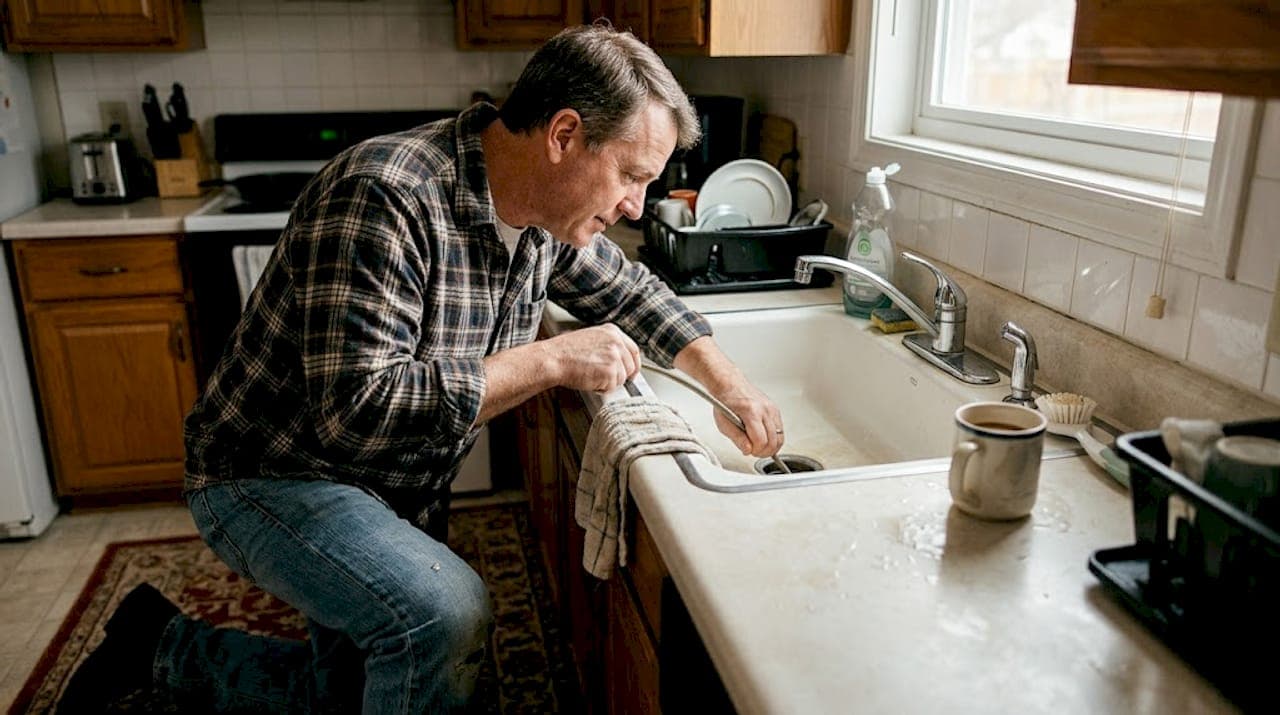
A slow drain seems harmless until water is pooling around your feet in the shower, your kitchen sink smells like a swamp, and a plumber is quoting you $400 for an emergency visit. Neglected drains are one of the most common causes of preventable home damage, and most of it starts with skipped maintenance. A simple, consistent drain cleaning checklist can stop that cycle before it starts. This guide walks you through exactly what to do, when to do it, and how to recognize when a problem is bigger than a plunger can handle.
Table of Contents
- Understanding drain cleaning essentials
- Step-by-step drain cleaning checklist
- Checklist comparison: DIY vs. professional drain cleaning
- Red flags: When your drains need urgent attention
- Our take: The real value of a drain cleaning checklist
- Keep your drains clean with expert help
- Frequently asked questions
Key Takeaways
| Point | Details |
|---|---|
| Routine cleaning saves money | Consistent drain maintenance greatly reduces the risk of clogs and costly repairs. |
| DIY and pro both have roles | Tackle simple cleaning yourself but call experts for stubborn or widespread issues. |
| Warning signs signal urgency | Rapid action on slow drains, odors, or backups prevents major plumbing problems. |
| Checklists build lasting habits | A simple checklist helps make preventive plumbing care routine in any home. |
Understanding drain cleaning essentials
Most homeowners think about their drains only when something goes wrong. That's a costly habit. Drain problems rarely appear overnight. They build slowly, layer by layer, until a minor inconvenience becomes a flooded basement or a cracked pipe.
The most common culprits are grease, hair, soap scum, food particles, and mineral deposits. Each one narrows your pipe walls a little more with every passing week. Over time, water flow slows, pressure builds, and the risk of a full blockage grows.
Every home has four main drain problem zones you should keep on your radar:
- Kitchen sink: Grease and food debris are the biggest offenders here. Even with a garbage disposal, buildup happens fast.
- Bathroom sink and tub: Hair and soap scum combine to create stubborn clogs that sit just below the drain cover.
- Shower drain: High-traffic showers collect hair and body oils daily. These clogs form faster than most people expect.
- Basement floor drain and exterior lines: These are the most overlooked. Sediment, roots, and debris can block these lines silently for months.
Regular drain cleaning does more than prevent clogs. It extends the life of your pipes, reduces odors, and protects your home's structural integrity by preventing water damage in walls, floors, and foundations.
The payoff for staying consistent is real. Homes with regular plumbing maintenance avoid the kind of emergency repairs that can cost thousands of dollars. If you want to understand the full scope of what proper upkeep covers, professional plumbing services can give you a clear picture of what your home actually needs.
The bottom line is this: your drains work hard every single day. A little attention each month keeps them working quietly in the background, exactly the way they should.
Step-by-step drain cleaning checklist
Now that you know where and why to clean, here is a practical checklist you can use and customize for your home.
What you need before you start:
- A plunger (cup-style for sinks, flange-style for toilets)
- A drain snake or hair removal tool
- Rubber safety gloves
- Baking soda and white vinegar
- A bucket and old towels
Monthly tasks:
- Pour boiling water down kitchen and bathroom sink drains to loosen grease and soap buildup.
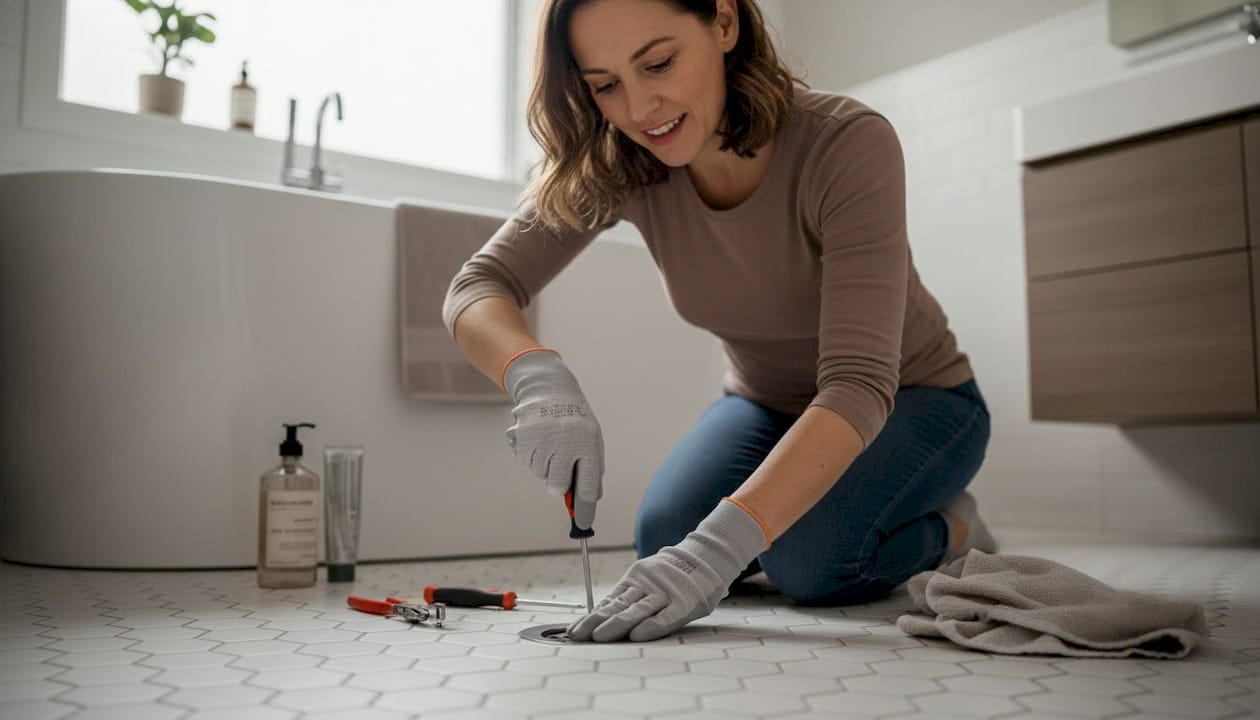
- Remove and clean drain stoppers in bathroom sinks and tubs. Hair and gunk collect underneath them constantly.
- Use a hair removal tool or small drain snake to clear any visible blockages in shower and tub drains.
- Pour half a cup of baking soda followed by half a cup of white vinegar down each drain. Let it fizz for 15 minutes, then flush with hot water. This breaks down soft buildup without damaging pipes.
- Run hot water for 30 seconds after each use of the garbage disposal, and clean it monthly with ice cubes and coarse salt to remove residue.
Quarterly tasks:
- Snake your bathroom and kitchen drains with a hand-held drain auger to clear buildup deeper in the pipe.
- Inspect visible pipes under sinks for moisture, rust spots, or slow drips.
- Check your basement floor drain by pouring a bucket of water into it. If it drains slowly, clear it with a plunger or snake.
Annual tasks:
- Schedule a professional inspection of your main sewer line, especially if your home is more than 20 years old.
- Flush your water heater to remove sediment that can affect water pressure and pipe health.
For more detailed home repair tips that go beyond just drains, it helps to have a trusted resource in your corner.
Statistic to know: According to industry data, clogged drains account for nearly 25% of all plumbing service calls in the U.S. each year. Most of those calls are preventable with routine maintenance.
Pro Tip: Never use chemical drain cleaners like Drano as a regular solution. They eat through soft buildup, but repeated use corrodes older pipes and can cause leaks over time. Stick to mechanical methods and natural cleaners for routine maintenance.
Checklist comparison: DIY vs. professional drain cleaning
Having a checklist is one thing, but should you do it all yourself or rely on a pro? The honest answer depends on how serious the problem is and how much time you have.
Here is a side-by-side look at both approaches:
| Factor | DIY cleaning | Professional cleaning |
|---|---|---|
| Cost | $10 to $30 for supplies | $100 to $300+ per visit |
| Time required | 30 to 60 minutes monthly | 1 to 2 hours per visit |
| Tools needed | Basic household tools | Hydro-jet, camera inspection |
| Effectiveness | Good for routine buildup | Best for deep or complex clogs |
| Risk of damage | Low if done correctly | Minimal with trained technicians |
| Best for | Preventive maintenance | Stubborn, recurring, or urgent clogs |
DIY cleaning is genuinely effective for routine upkeep. You save money, you stay familiar with how your drains behave, and you catch small changes early. The trade-off is that DIY methods have limits. A hand snake reaches maybe 15 to 25 feet. A professional hydro-jet can clear a line up to 75 feet or more and remove buildup that no home tool can touch.
Here is when DIY makes sense:
- You are doing monthly or quarterly maintenance
- The clog is minor and responds to a plunger or basic snake
- There are no signs of deeper pipe problems
Here is when you should call a professional:
- The clog keeps coming back within days or weeks
- Multiple drains in the home are slow at the same time
- You notice foul odors that don't clear after cleaning
- Water is backing up into other fixtures
For a full look at what professional help covers in your area, check out the available service options to find the right fit for your situation.
Red flags: When your drains need urgent attention
While routine maintenance prevents most issues, some drain problems require immediate professional help. Knowing the difference between a minor slowdown and a serious warning sign can save you from a very expensive repair.
Watch for these red flags:
- Slow draining in multiple fixtures at once. This usually points to a blockage in the main sewer line, not just a single drain.
- Persistent odors even after cleaning. Sewer gas smells coming from drains can indicate a broken vent pipe or a dried-out P-trap.
- Water backing up into other fixtures. If flushing a toilet causes water to rise in the bathtub, your main line is likely blocked.
- Gurgling sounds from drains. This is air trapped behind a blockage. It means water is struggling to move through the pipe.
- Fruit flies near drains. These insects breed in organic buildup inside pipes. Their presence means there's enough debris inside to support a colony.
- Soggy or unusually green patches in your yard. This can signal a broken sewer line underground, which is a serious and urgent repair.
Ignoring these signs does not make them go away. A blocked main line can cause sewage to back up into your home. A broken underground pipe can destabilize your yard and foundation. The longer you wait, the worse and more expensive the damage becomes.
Pro Tip: If multiple drains in your home are slow at the same time, locate your main clean-out access point (usually a capped pipe near the foundation or in the yard) before calling a plumber. Knowing where it is helps a technician work faster and can reduce your service time. For fast help when you need it, emergency drain solutions are available to Cincinnati-area homeowners.
Our take: The real value of a drain cleaning checklist
Here's something most articles won't tell you: a drain cleaning checklist isn't really about drains. It's about building a habit of paying attention to your home before it demands attention from you.
We've seen it play out dozens of times. A homeowner ignores a slow drain for three months. Then it backs up. Then there's water damage. Then there's mold. What started as a five-minute monthly task turns into a multi-week repair project costing thousands of dollars.
The checklist works because it removes the guesswork. You don't have to remember when you last cleaned the tub drain or wonder if that gurgling sound is normal. You have a schedule, and you follow it.
What surprises most homeowners is how quickly small habits add up. Consistent comprehensive home maintenance is not glamorous, but it is the single most effective way to protect your investment. A checklist is not a sign that you're forgetful. It's a sign that you're serious about your home.
Keep your drains clean with expert help
Your checklist gives you a strong foundation, but even the most diligent homeowner runs into a clog that won't budge or a drain issue that needs more than a snake and some baking soda.

That's where we come in. As Cincinnati home repair experts, we handle sink drain cleaning and sewer clogs up to 75 feet, so you get real results without the guesswork. Whether you need a one-time clearing or want to set up a regular maintenance schedule, our team is ready to help. See all drain services and book a visit that works for your schedule. We repair, replace, and renovate, so your home stays in great shape year-round.
Frequently asked questions
How often should I clean my home drains?
For most Cincinnati homes, monthly cleaning is the right starting point, with more frequent checks if you notice slow draining or odors developing between sessions.
What is the safest drain cleaner for my pipes?
A baking soda and vinegar flush is safe for most pipe materials and avoids the corrosive buildup that harsh chemical cleaners leave behind over time.
When do I need a professional drain cleaning service?
Call a professional if you have persistent clogs that return quickly, multiple slow drains at once, or any sign of water backing up into fixtures throughout your home.
Can a drain cleaning checklist help prevent costly emergency plumbing repairs?
Absolutely. Sticking to a regular checklist helps you catch minor buildup and early warning signs before they turn into full blockages or pipe damage that requires emergency repairs.